
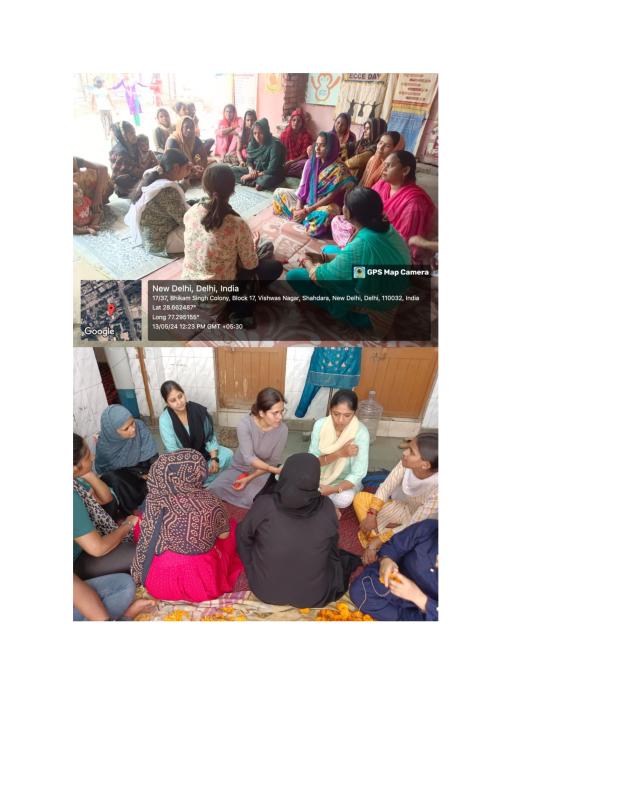
Capacity building for women is a transformative approach that aims to equip women with skills, knowledge, and confidence, enabling them to play significant roles in both business and community life. Through targeted training programs that enhance their capabilities, women gain the tools necessary to become leaders, contribute to economic development, and drive positive change in their communities. In regions where women often face barriers to educational and economic opportunities, capacity building offers a path to self-reliance and fosters a culture of gender equality. By focusing on areas like financial literacy, business management, digital skills, and technical know-how, capacity building opens doors to substantial opportunities for personal and professional growth.
At its core, capacity building is a holistic process that supports women in developing their knowledge, abilities, and resilience. One of the critical areas within this process is financial literacy, which provides women with an understanding of managing finances, budgeting, and saving. Financial literacy is particularly essential for women involved in small businesses or household budgeting, as it gives them the ability to make informed decisions about income generation, investments, and financial planning. Financially literate women can take on leadership roles within their families and communities, making them active participants in decision-making processes. This not only improves their personal financial stability but also contributes to the broader economy by encouraging savings, investments, and entrepreneurial initiatives.
Another fundamental component of capacity-building programs is business management training. Through business education, women acquire skills in marketing, operations, and strategic planning. This knowledge is indispensable for those who wish to start or scale their businesses. Effective business management skills empower women to handle day-to-day operations, meet market demands, and sustain profitable ventures. When women are trained in these areas, they are more likely to succeed in entrepreneurial activities, creating job opportunities for others in their communities. This ripple effect of capacity building supports a cycle of empowerment and economic growth, reducing poverty and dependency within communities.