
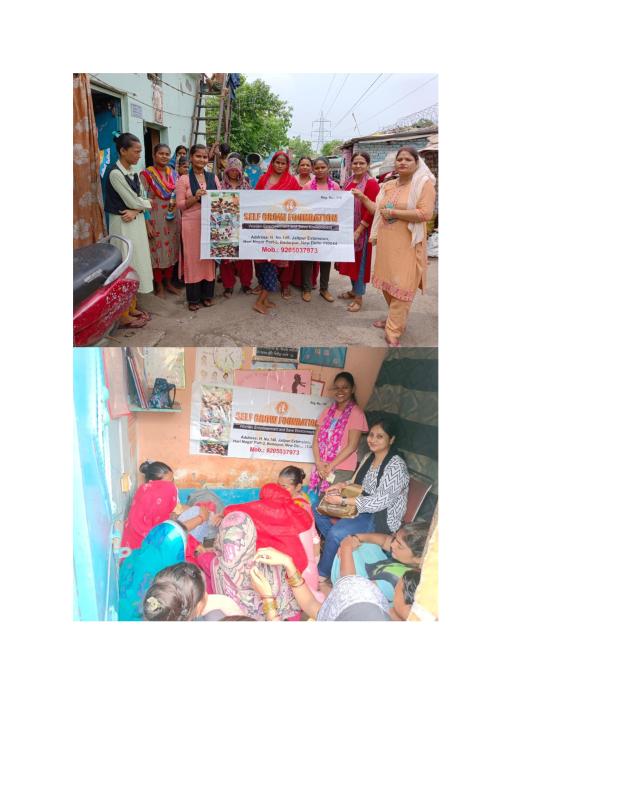
Microfinance & Microenterprise

Microfinance & Microenterprise

Microfinance & Microenterprise

Access to microfinance and opportunities in microenterprise have proven transformative for women, especially in underserved and economically disadvantaged areas. Microfinance enables women to obtain small loans without the need for traditional collateral, which is often a significant barrier to formal credit. With these accessible financial resources, women can start or expand small businesses, paving the way to financial autonomy, economic empowerment, and broader community development. Microenterprise, fueled by microfinance, provides a stable source of income, enhances financial inclusion, and empowers women to play a significant role in their families’ economic well-being.

In many regions, limited access to financial services leaves women without the means to invest in income-generating activities. Microfinance services address this gap by providing low-income women with small loans specifically tailored for entrepreneurship, where the loan amount may range from a few hundred to a few thousand dollars, depending on the program and need. These loans allow women to launch microenterprises, from small-scale retail shops, tailoring units, or agricultural activities to food processing ventures. By creating pathways for women to enter the workforce as entrepreneurs, microfinance opens doors that were previously closed, breaking down economic and social barriers that have historically marginalized women.

A critical benefit of microfinance is its ability to foster financial independence. Women who earn their own income through microenterprise gain autonomy and greater control over household finances. This economic empowerment translates into an improved standard of living, as they can contribute financially to their families, support their children’s education, and make health and nutrition decisions that benefit the entire household. Financial independence also leads to higher levels of self-confidence, as women realize their potential as contributors to household stability and growth. This independence is essential in communities where women’s roles are often limited to domestic work, enabling them to redefine their identities as entrepreneurs and leaders.

 

Microfinance programs frequently come with financial literacy training and mentorship, which significantly increases the chances of successful outcomes for women entrepreneurs. Financial literacy equips women with the knowledge to manage their finances, understand budgeting, and plan for long-term growth. Guidance on topics like pricing, record-keeping, and customer engagement helps women make informed decisions, enhancing the sustainability of their enterprises. Additionally, mentorship from experienced entrepreneurs or financial advisors provides a support system, helping women navigate the challenges of running a business, especially in the early stages. With these resources, women learn not only to operate their businesses effectively but also to scale them, thereby increasing their impact on the local economy.

Furthermore, microenterprise leads to community-wide benefits by generating jobs and contributing to local markets. As women grow their businesses, they often create employment opportunities for other community members, particularly other women. For example, a woman running a tailoring business may employ several others, providing them with a means of income. This job creation cycle amplifies the impact of each microloan, leading to a more vibrant, inclusive local economy. The increased purchasing power within communities also fuels demand for goods and services, creating a positive economic ripple effect that benefits the wider region.

The reinvestment aspect of microfinance is another cornerstone of its effectiveness. Women who succeed in microenterprise are more likely to reinvest their earnings into their families and communities, focusing on health, education, and housing improvements. This reinvestment contributes to community stability and intergenerational progress, as children of economically empowered women have greater access to education, better healthcare, and improved living conditions. Studies have shown that women typically reinvest up to 90% of their income back into their households, compared to 30-40% for men, highlighting the profound impact of women-led economic activity on societal well-being.

Microfinance and microenterprise thus play a vital role in advancing gender equality and economic resilience. By enabling women to generate income and take on leadership roles in business, these programs challenge traditional gender norms and create pathways for women’s voices to be heard within both families and communities. Additionally, by broadening the financial sector to include women, microfinance institutions contribute to a more inclusive financial ecosystem, reinforcing economic stability at both individual and community levels.


If You Want to Contact... We Are Available For You

Contact Us
24x7 support